
Lexandria Lighthouse | Virtual Teacher Working Session
Year 251: Making the Declaration of Independence Come Alive for 2026–2027
The anniversary ends. The teaching continues.
Join social studies educators for a 60-minute working session on helping students move beyond recognizing famous lines from the Declaration of Independence—and toward using primary-source evidence to make defensible claims.
See a practical classroom routine. Test it with fellow teachers. Leave with materials you can use in an upcoming lesson.
This session will be recorded.
Students Know the Words.
Can They Use the Evidence?
The Declaration may be one of the most familiar texts in American history.
Students recognize phrases like “all men are created equal” and “consent of the governed.”
But recognizing the words is not the same as being able to explain what they mean, decide which evidence matters, or show how a passage contributes to the document’s larger argument.
That is the classroom problem at the center of Year 251.

Jacob Nestle
Director of Programs
A Simple Routine for Working With Primary Sources
During the session, we’ll model a practical sequence teachers can use with the Declaration and transfer to other texts:
01
Context
Give students enough background to enter the document without doing the interpretation for them.
02
Question
Ask a focused question the source can actually answer.
03
Line
Identify the precise language that matters.
04
Claim
Explain what that evidence shows.
Context → Question → Line → Claim
The goal is simple: help students move from finding a quotation to making an argument from evidence.
LEARNING EXAMPLE:
How Does The Declaration Prove that Independence is Justified?
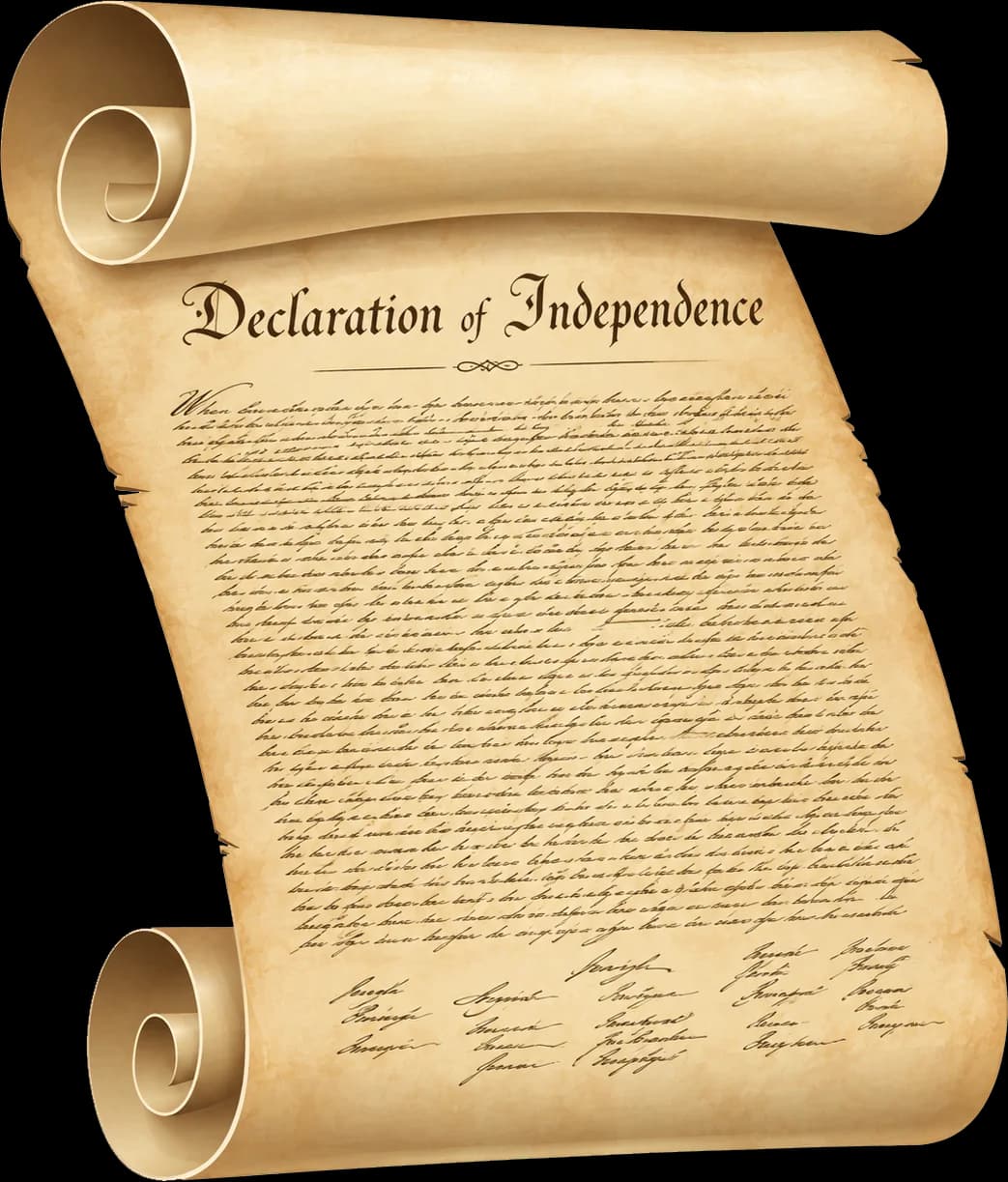
We’ll use a short passage from the Declaration to model the routine.
Question: What makes government legitimate?
Line: “deriving their just powers from the consent of the governed”
Then we’ll connect that principle to a specific grievance:
“For imposing Taxes on us without our Consent.”
That shift helps students see how the Declaration builds an argument: principle → evidence → conclusion
The Declaration is the model for the session, not the limit of the practice. The same routine can be used with speeches, laws, court opinions, political writings, civic documents, and other historical primary sources.
A Quick Model. Then the Room Takes Over.
Lighthouse is not designed as an hour-long presentation. After a brief demonstration, most of the session is teacher-to-teacher discussion.
We’ll talk about questions such as:
- Where do students get stuck with primary sources?
- How much context is enough?
- What helps students select meaningful evidence rather than the first available quote?
- How do teachers support difficult language or mixed reading levels without doing the thinking for students?
- How might the routine change across AP, inclusion, tested, or shorter courses?
- What primary source or unit are you teaching next?
We’ll compare what works, surface real classroom barriers, and leave with adaptations you can actually use.
What You’ll Do in 60 Minutes
- 01
Welcome + Pulse Check
See how other teachers in the room are currently using primary sources.
- 02
Best-Practice Demo
Experience Context → Question → Line → Claim using selected passages from the Declaration.
- 03
Teacher Roundtable
Compare classroom challenges, adaptations, and upcoming units with fellow educators.
- 04
Standards Spotlight
See the connection to inquiry, evidence, claims, and the C3 Inquiry Arc.
- 05
Ready Monday Resources
Preview classroom materials designed for immediate use.
- 06
Q&A + Next Steps
Wrap with questions and information about the follow-up packet.
Leave With Something You Can Use
Participants receive a follow-up packet incorporating useful adaptations and ideas that emerge from the teacher discussion. You'll also receive a set of practical Ready Monday resources, including:
Declaration Bellringer
A short source-analysis task built around the routine.
Two-Excerpt Mini-Lesson
A focused activity connecting the Declaration’s principles to its grievances.
Transfer Task
A way for students to apply the same reasoning to another passage or primary source.
Register for Year 251
Lexandria Lighthouse is a virtual working-session series built around one practical instructional practice at a time.
- Date
- Thursday, November 19, 2026
- Time
- 7:00 p.m. ET
- Format
- Virtual
- Length
- 60 minutes
- Audience
- Secondary social studies educators
Recording Notice
This virtual session will be recorded. Additional information about the recording and participation options is provided during registration.